
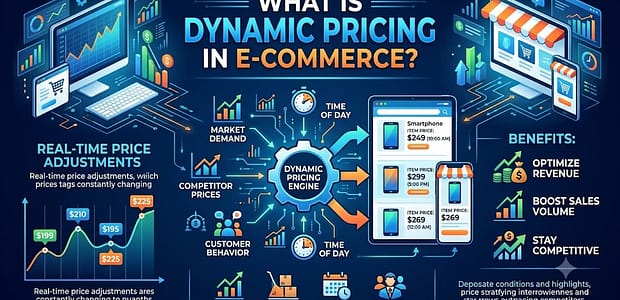

Have you ever added a product to your shopping cart, returned later, and found that the price had changed? Or noticed that airline tickets, hotel bookings, or electronic gadgets seem to fluctuate throughout the day? This isn’t a coincidence—it’s called dynamic pricing, and it’s one of the most common pricing strategies used in modern e-commerce.
Dynamic pricing helps online retailers maximize sales, manage inventory, and respond to market demand in real time. While it benefits businesses, shoppers who understand how it works can also use it to save money.
In this guide, we’ll explain what dynamic pricing is, why online stores use it, how it affects your shopping experience, and practical ways to avoid paying higher prices.
What Is Dynamic Pricing?
Dynamic pricing is a pricing strategy where the price of a product changes automatically based on various factors instead of remaining fixed.
Unlike traditional retail pricing, which may stay the same for weeks or months, dynamic pricing allows online stores to update prices multiple times a day.
The price adjustments are usually controlled by algorithms that analyze real-time data.
Why Do E-commerce Websites Use Dynamic Pricing?
Online retailers constantly monitor several factors before adjusting prices.
Some of the most common include:
- Customer demand
- Product availability
- Competitor prices
- Seasonal shopping trends
- Sales events
- Inventory levels
- Time of day
- Market conditions
The goal is simple: maximize revenue while remaining competitive.
Examples of Dynamic Pricing
1. Flight Tickets
Airfares often increase as more seats are booked or travel dates approach.
2. Hotel Bookings
Room prices fluctuate depending on occupancy, holidays, and local events.
3. Electronics
Smartphones, laptops, and accessories may receive automatic price updates based on competitor pricing.
4. Fashion Products
Clothing prices often rise during peak demand and drop during end-of-season clearance sales.
5. Grocery Delivery
Some delivery platforms charge higher prices during busy hours or adverse weather conditions.
Factors That Influence Dynamic Pricing
Customer Demand
Higher demand usually leads to higher prices.
Inventory Levels
Limited stock often results in price increases.
Competitor Pricing
Many online stores automatically adjust prices to remain competitive.
Shopping Season
Festivals, holidays, and major sale events significantly impact pricing.
Time-Based Pricing
Prices may vary during weekends, evenings, or peak shopping hours.
Product Popularity
Trending products often experience temporary price increases.
Does Dynamic Pricing Mean Different Customers See Different Prices?
Sometimes, yes.
Certain websites may personalize offers based on:
- Membership status
- Loyalty rewards
- Geographic location
- Promotional campaigns
- Device-specific offers
However, reputable retailers generally maintain transparent pricing policies and provide discounts through memberships or special promotions rather than unfair discrimination.
Advantages of Dynamic Pricing
For businesses:
- Better inventory management
- Increased profitability
- Competitive pricing
- Faster response to market changes
- Improved sales performance
For customers:
- Opportunity to grab flash deals
- Better discounts during low-demand periods
- Competitive prices across different sellers
Disadvantages of Dynamic Pricing
Although useful, dynamic pricing can also create challenges.
Some drawbacks include:
- Prices change unexpectedly
- Difficult to predict the best buying time
- Customers may feel frustrated by frequent price fluctuations
- Limited-time discounts can create pressure to purchase quickly
How to Save Money Despite Dynamic Pricing
Fortunately, there are several strategies that help shoppers avoid paying more.
Compare Prices
Always compare prices across multiple shopping websites before making a purchase.
Use Price Tracking Tools
Price trackers notify you when products become cheaper.
Shop During Major Sales
Events like:
- Amazon Great Indian Festival
- Flipkart Big Billion Days
- Independence Day Sales
- Republic Day Sales
- Diwali Sales
often provide genuine discounts.
Check Coupon Websites
Before checkout, search for:
- Promo codes
- Coupon codes
- Cashback offers
These can significantly reduce your final bill.
Wait Before Purchasing
If the price suddenly increases, waiting a day or two may result in another price drop.
Enable Price Alerts
Many shopping apps allow users to receive notifications whenever prices decrease.
Common Myths About Dynamic Pricing
Myth 1: Prices Only Increase
False.
Prices can both increase and decrease depending on market conditions.
Myth 2: Dynamic Pricing Is a Scam
False.
It is a legitimate business strategy used worldwide by airlines, hotels, retailers, and online marketplaces.
Myth 3: Every Shopper Sees a Different Price
Not always.
Most price changes are based on supply and demand rather than individual customers.
Should You Worry About Dynamic Pricing?
Not necessarily.
Dynamic pricing simply reflects changing market conditions. The key is becoming a smart shopper rather than making impulse purchases.
By comparing prices, waiting for sales, using coupons, and checking cashback offers, you can often pay much less than the original listed price.
Final Thoughts
Dynamic pricing has become a standard part of online shopping. It enables retailers to stay competitive while responding quickly to changes in demand and inventory. Although prices may fluctuate frequently, informed shoppers can still find excellent deals by tracking prices, comparing sellers, and taking advantage of seasonal sales and discount offers.
Understanding how dynamic pricing works empowers you to make smarter purchasing decisions and avoid paying more than necessary. The next time you notice a product’s price change, you’ll know exactly why—and how to shop strategically.